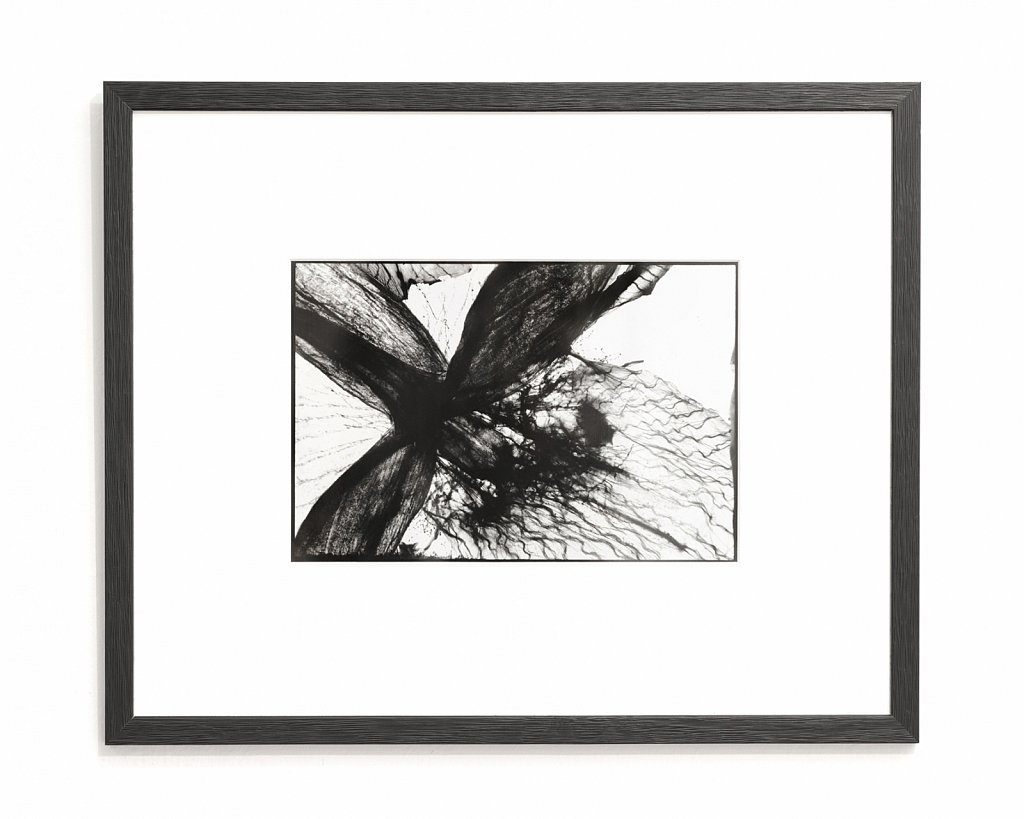
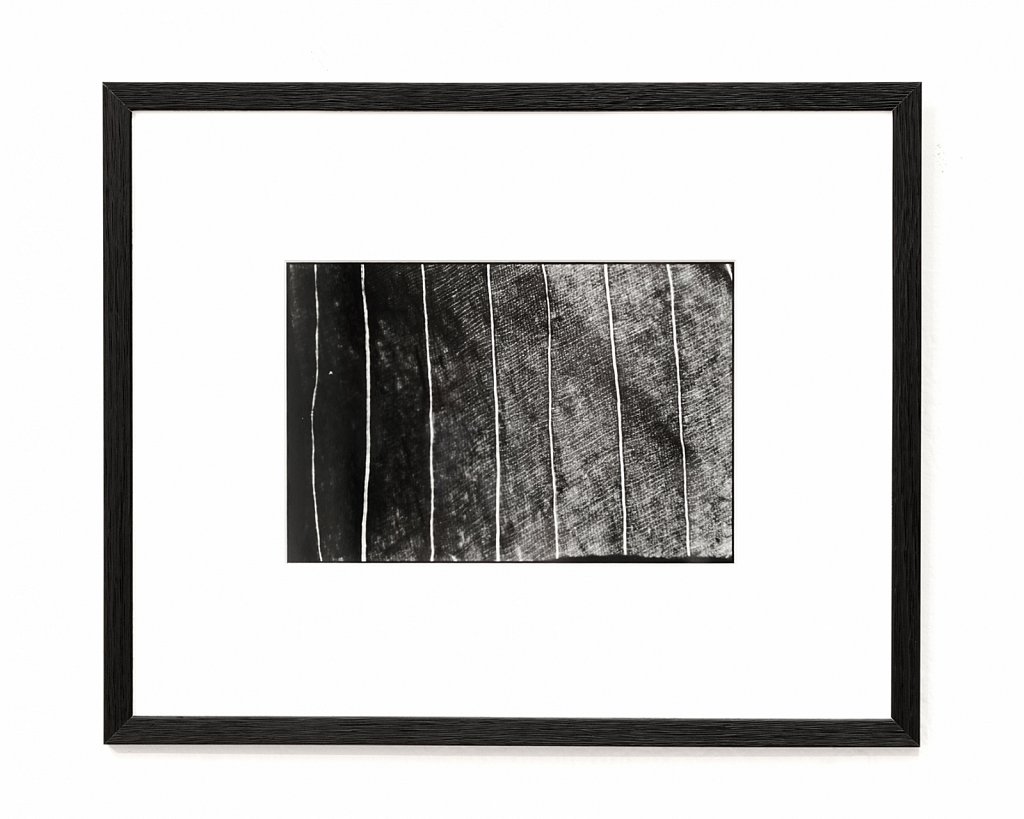
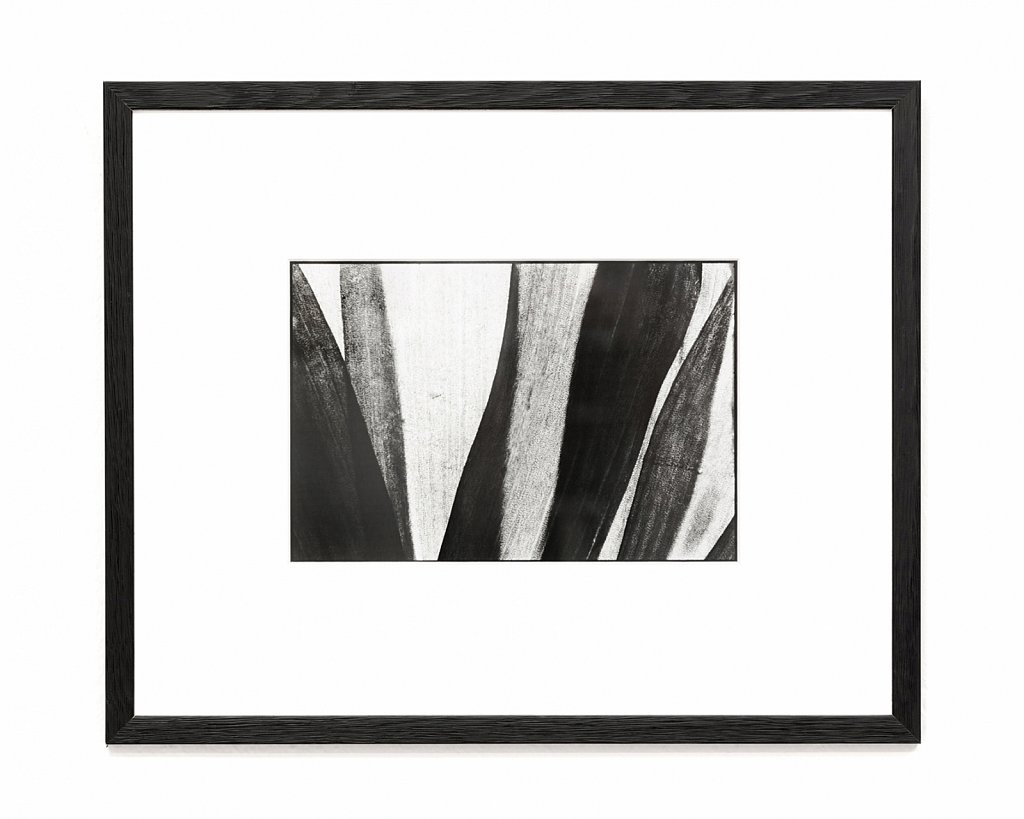
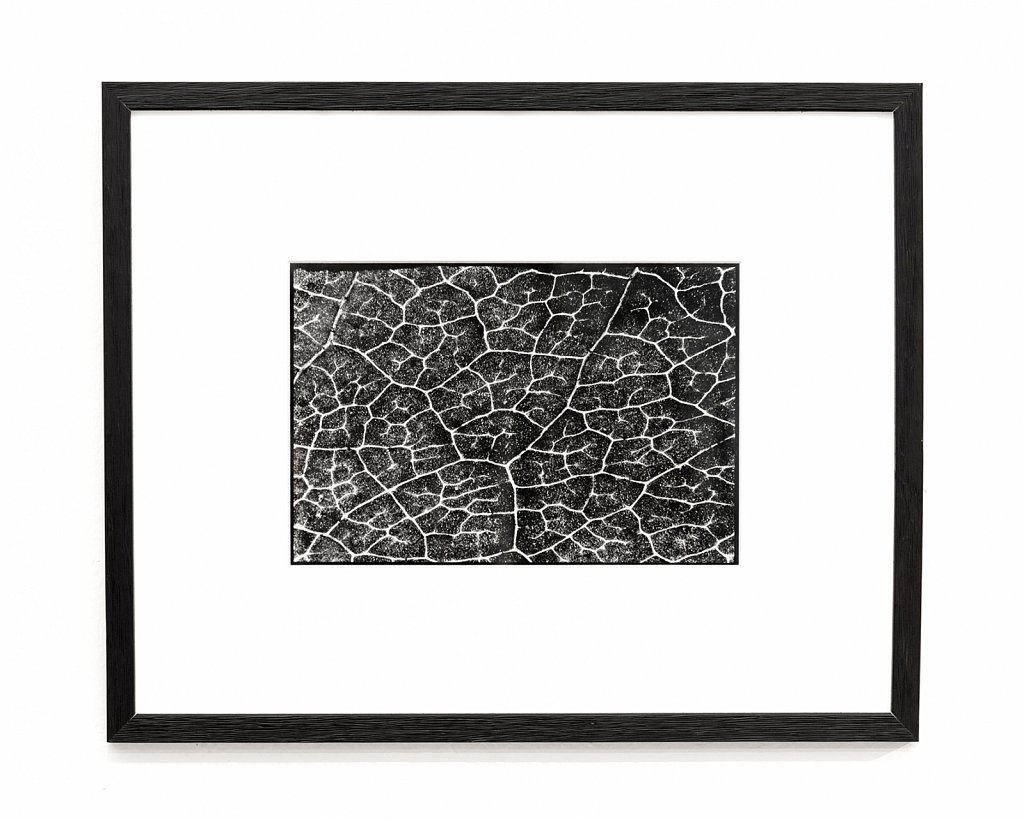
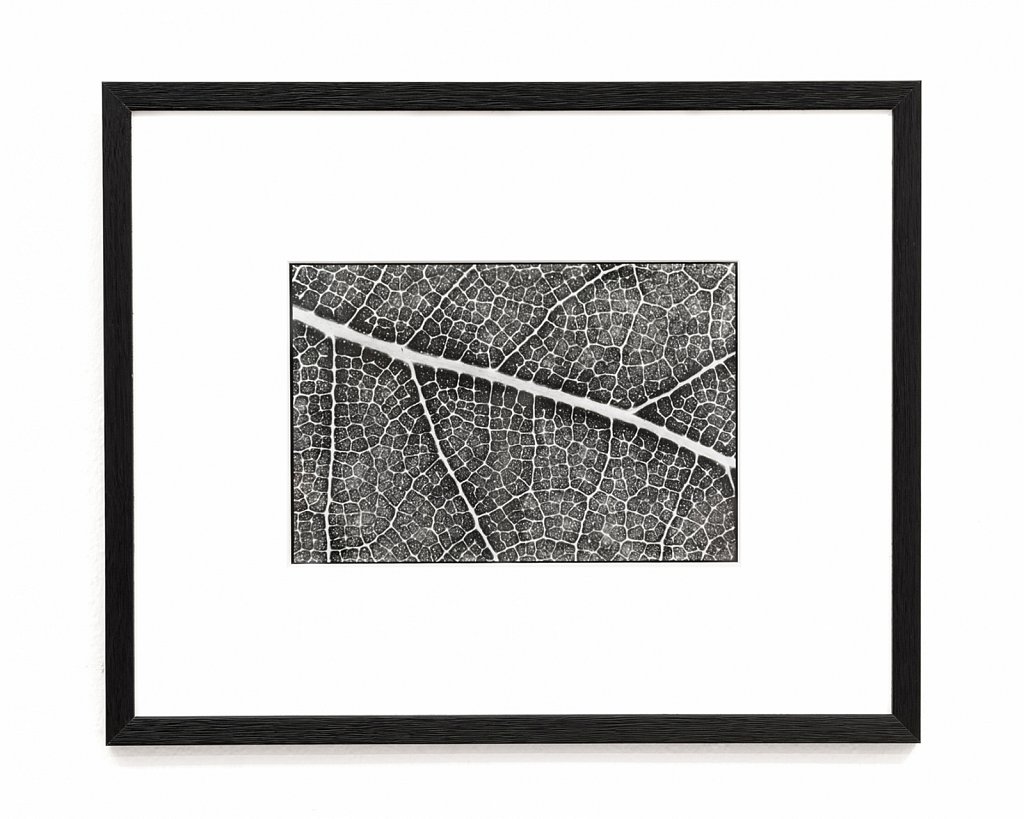
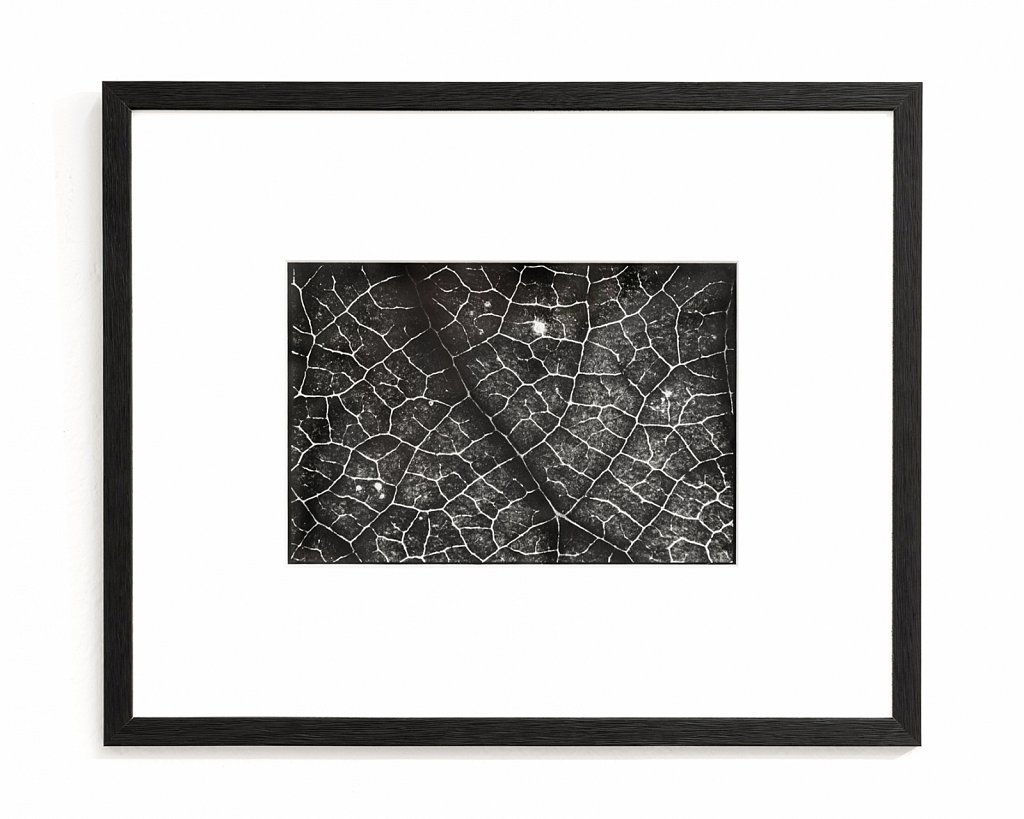
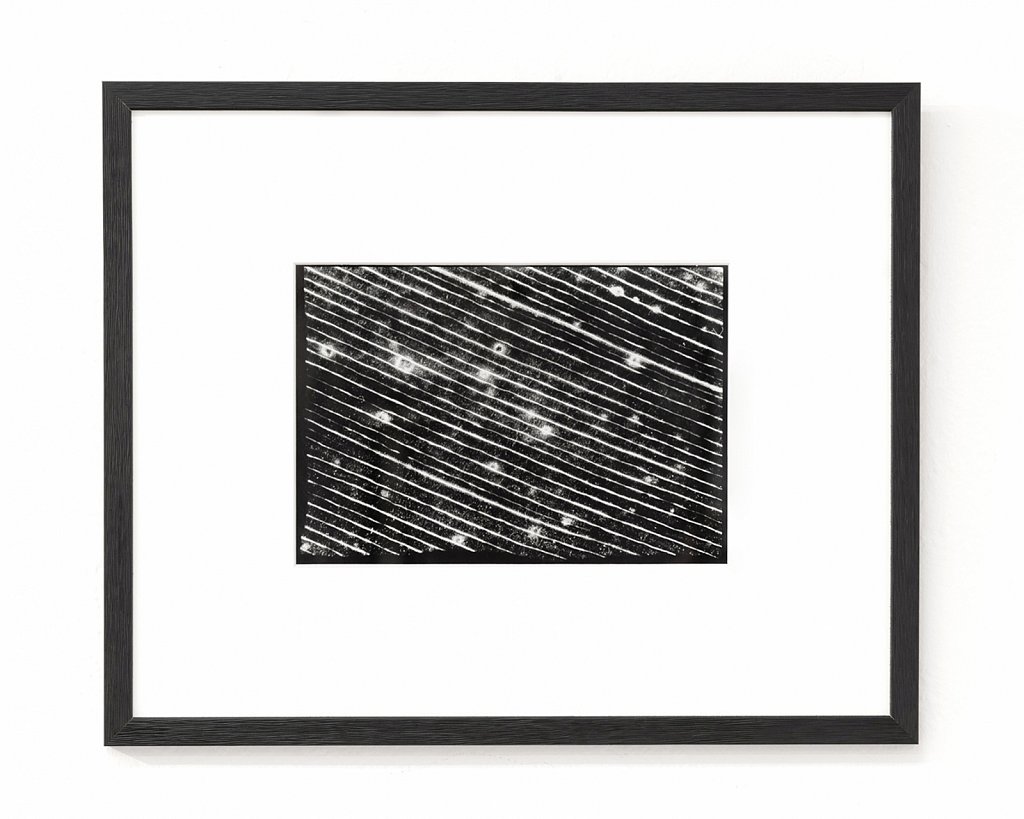
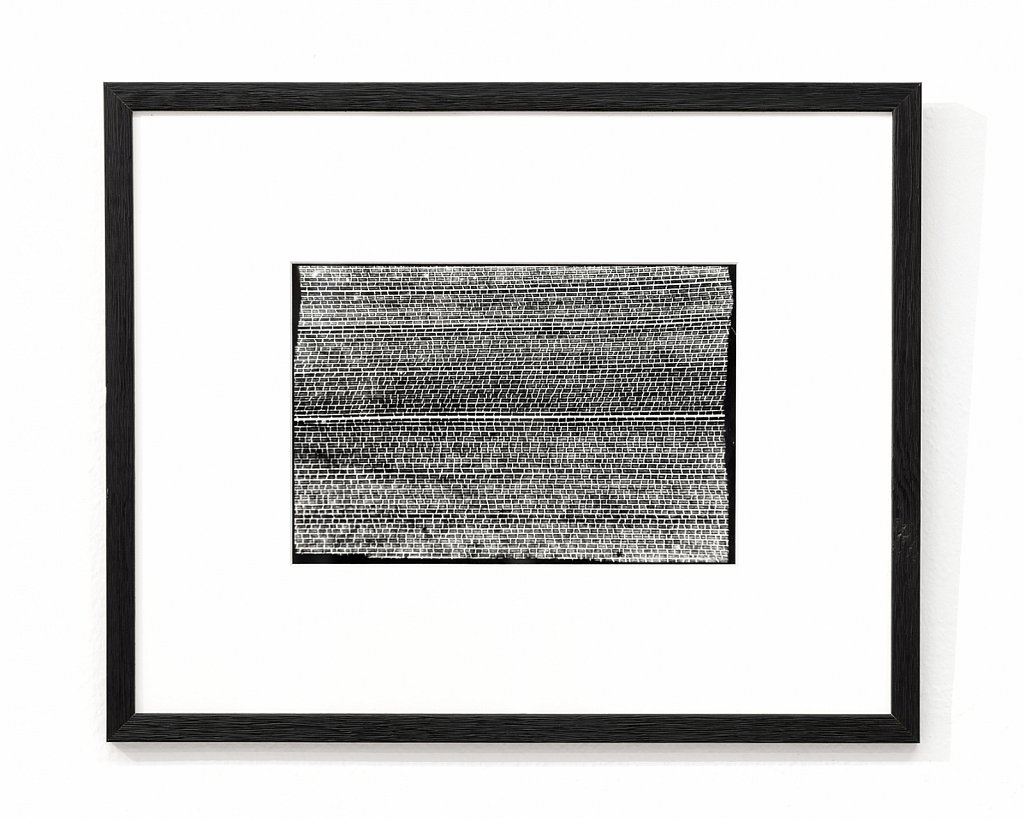
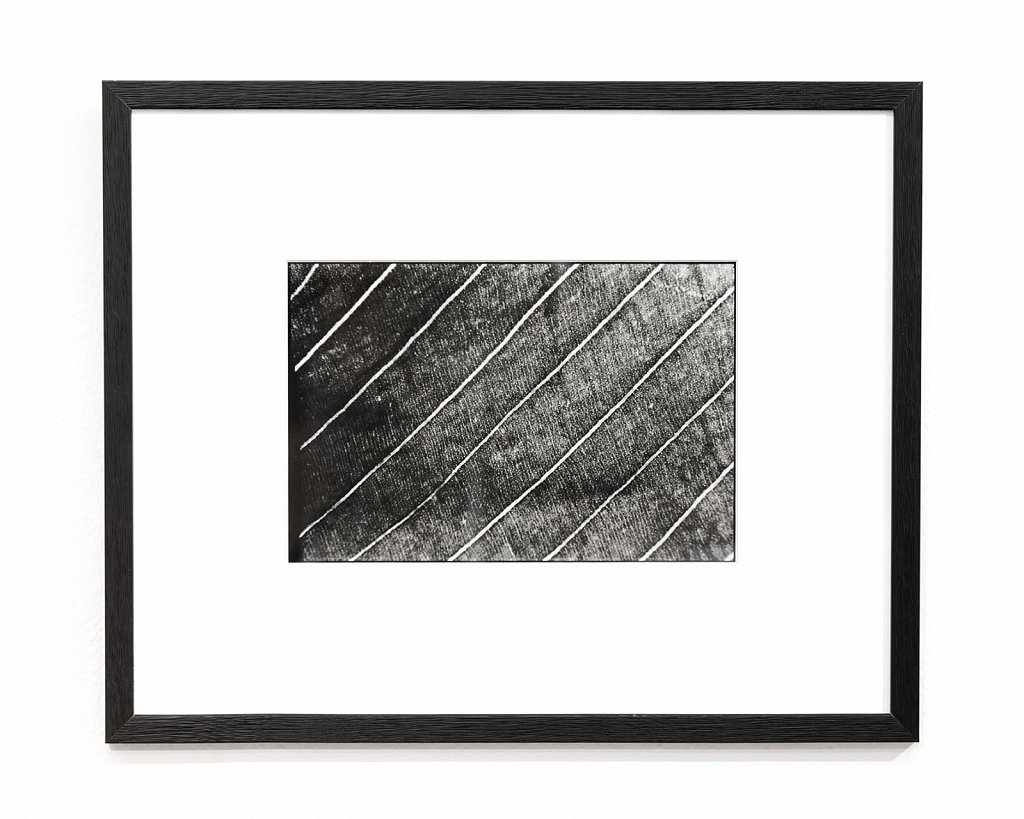
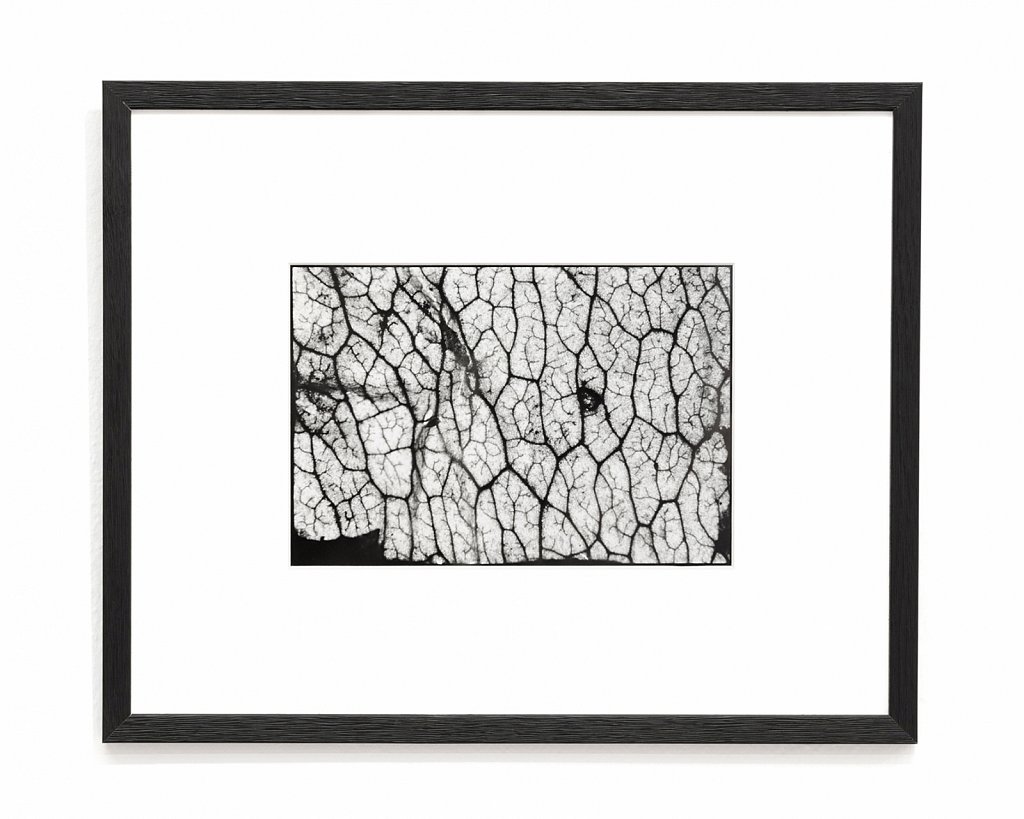
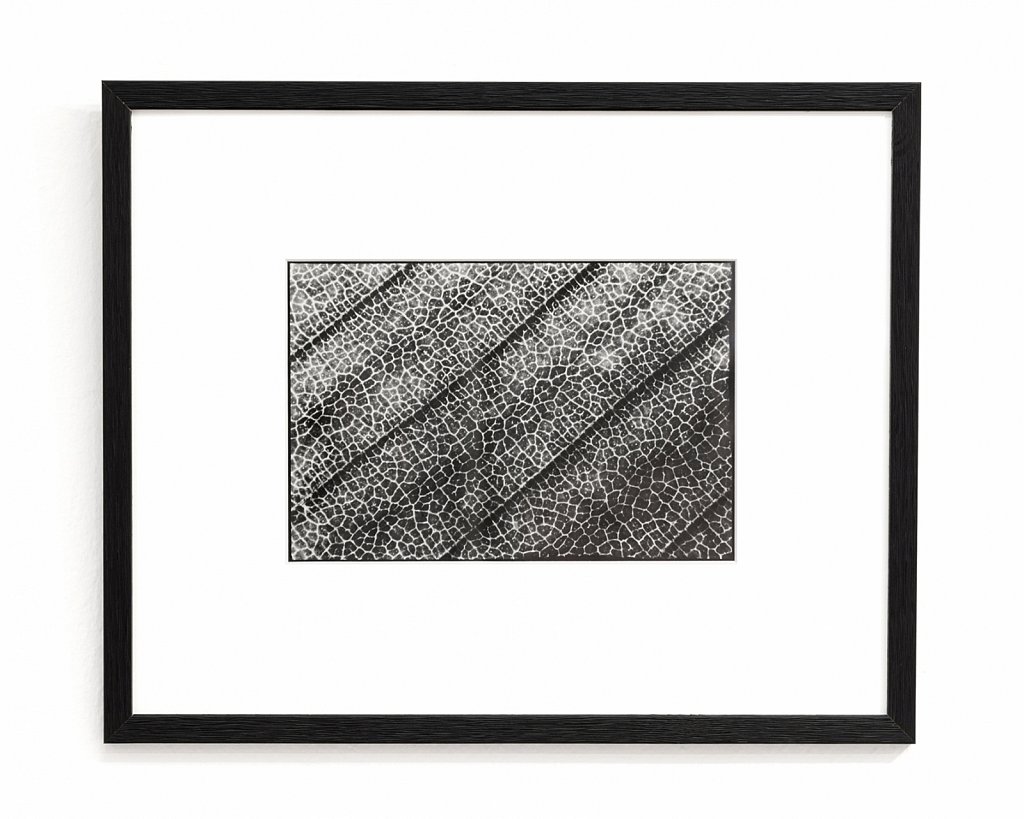
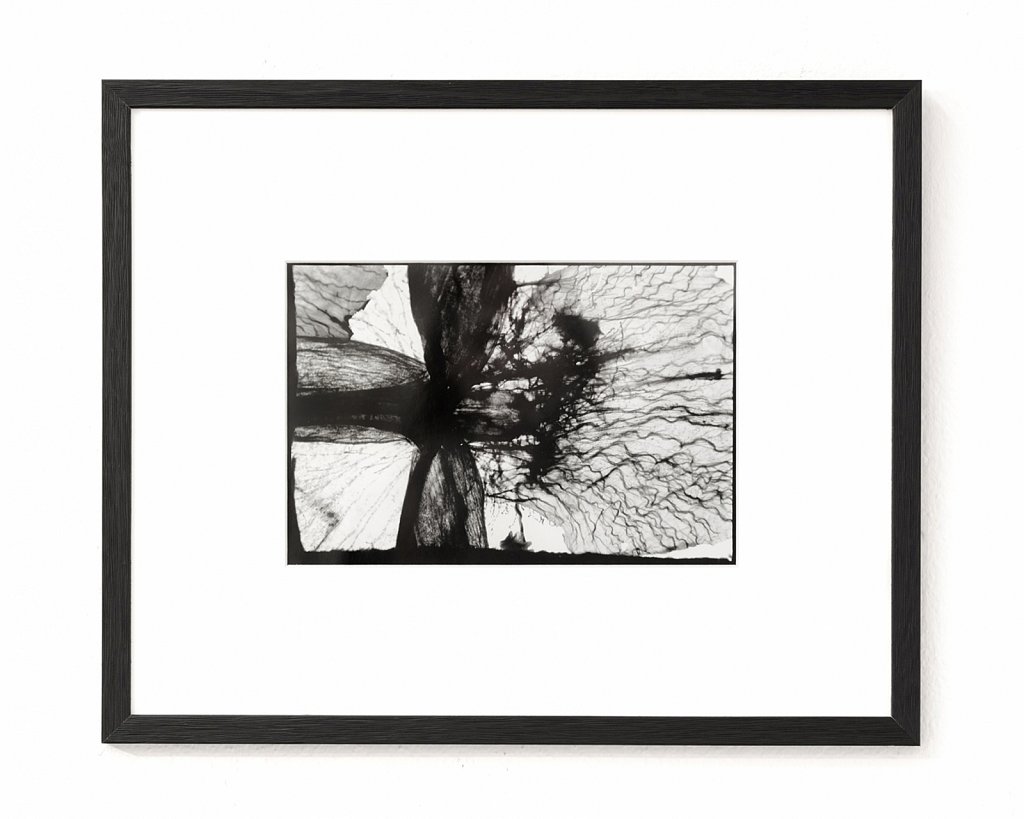
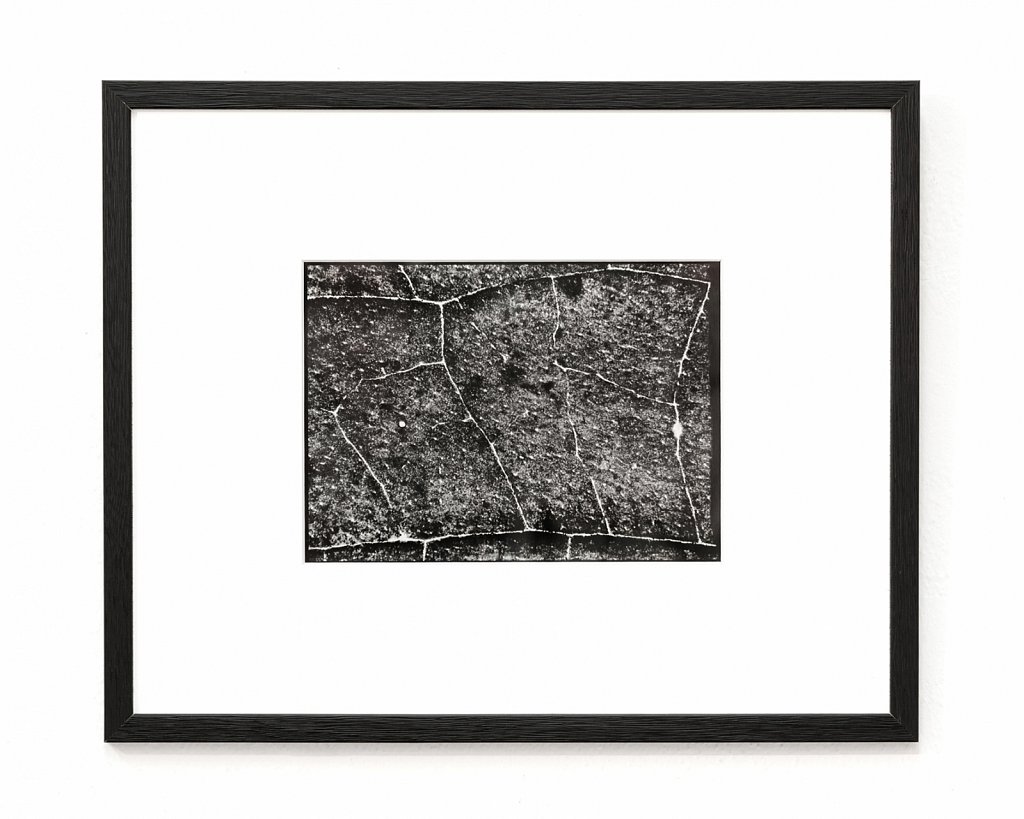
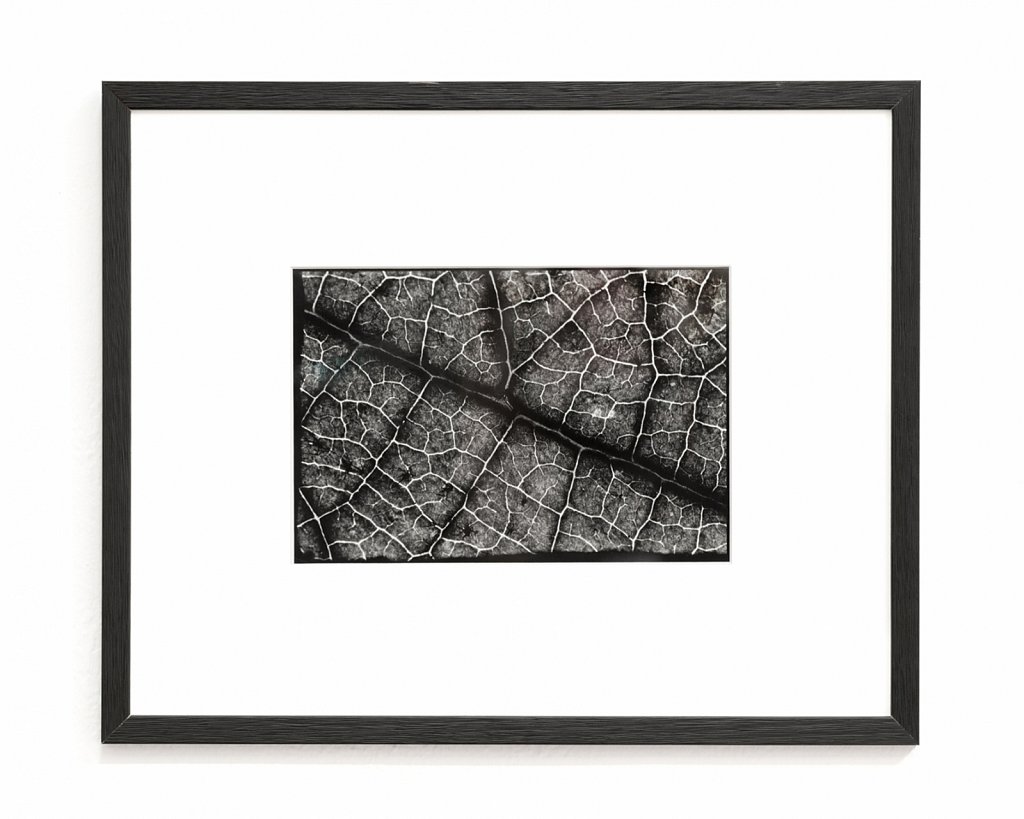
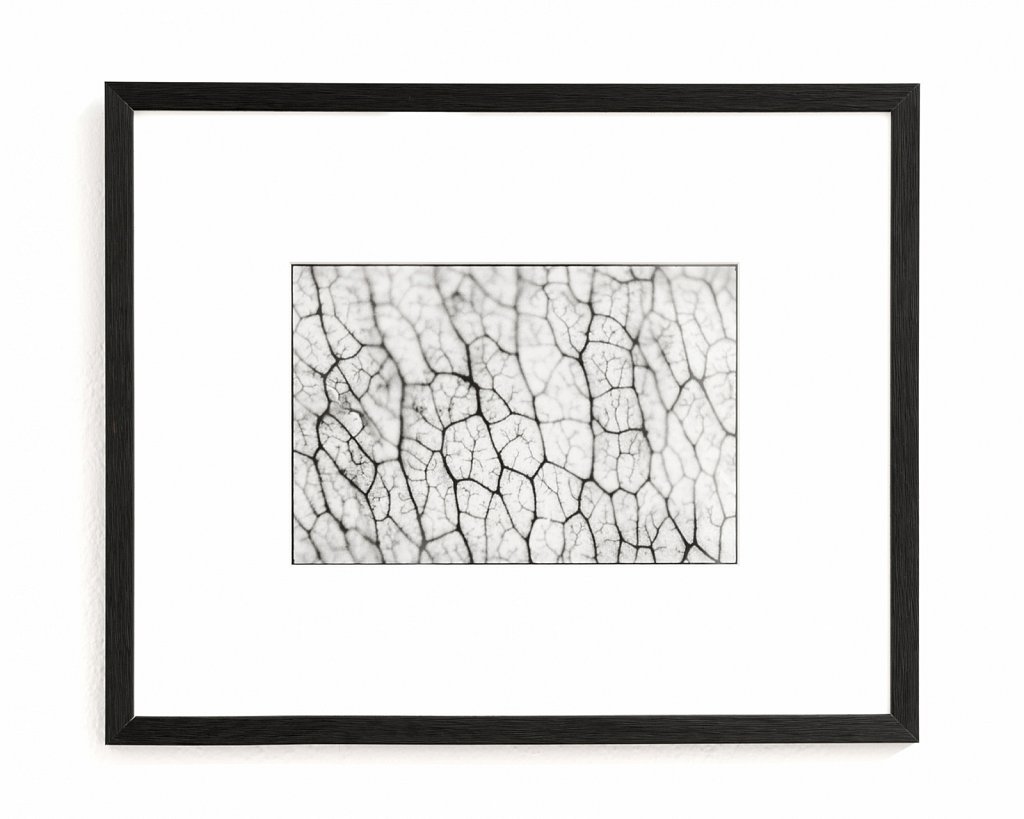
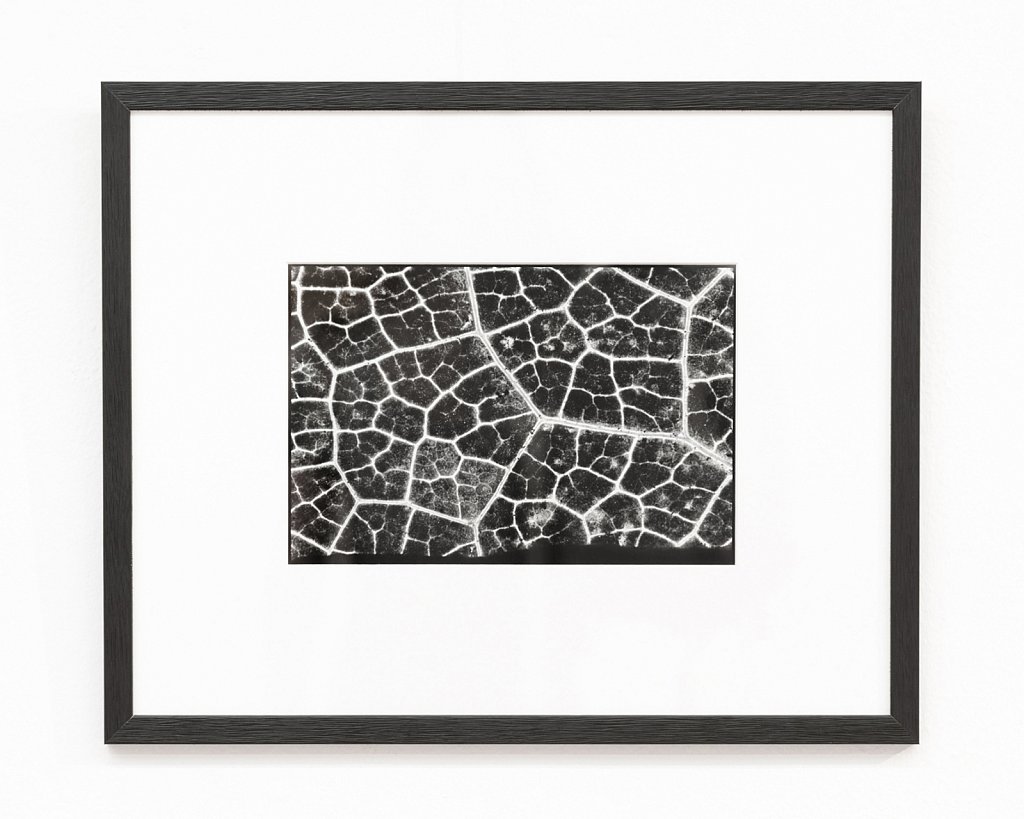
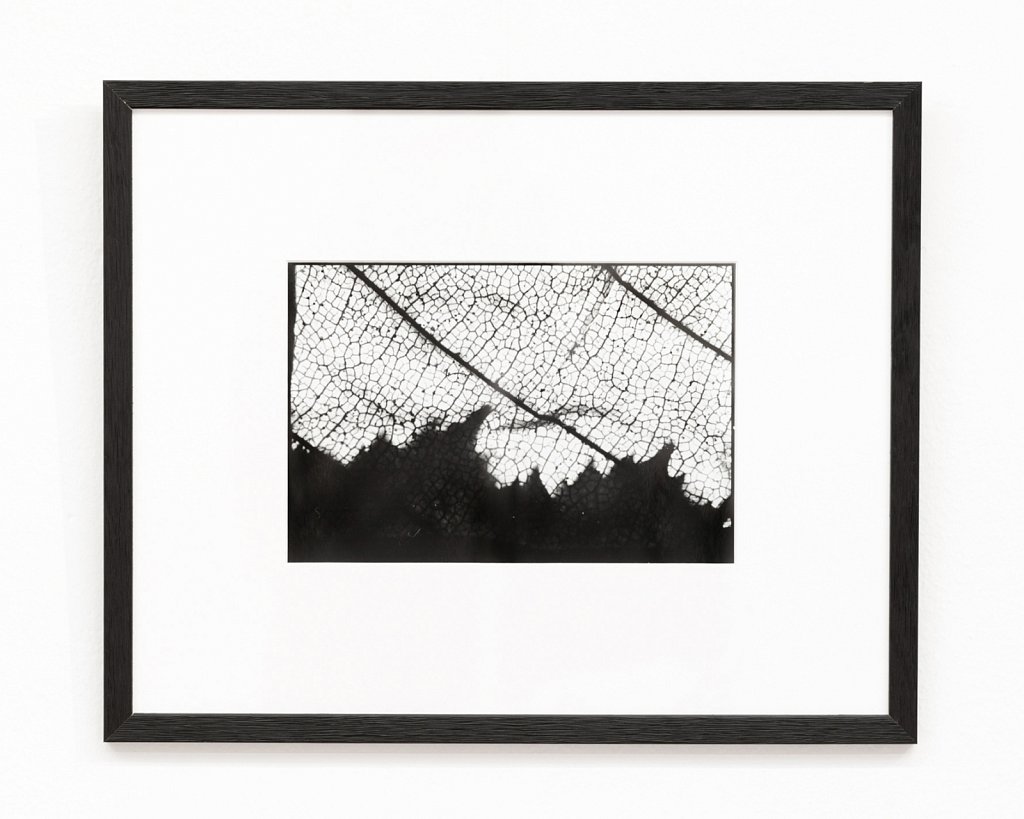
In my photographic works, it is not a specific haiku that is decisive, but the concept of the haiku. The classic haiku is a three-line verse form consisting of 17 mores (phonetic units from the hiragana or katakana script).
The heyday of haiku dates back to the 17th/18th century. What is essential here is the unspoken, the allusion, a reduced excerpt of a moment of the visible world that gives a glimpse of the comprehensive, the underlying. The haiku is related to nature, it traditionally relates to the current season, impressions and a realisation. The subjective feeling depends on the person looking at it. The theme of these works is concerned with a perceptual shift in detail, as what is depicted is concrete but allows for different interpretations.
The works depict nature in a reduced detail, but the strong magnification suggests something more comprehensive. The tangible is extended by one level. A recognisable structure suggests a further structure. Abstract meets concrete. The viewer thus succumbs to a certain incompleteness in perception, which they decipher for themselves. The view of the detail is the view of the whole.
Technique: 35mm black and white film, enlarged on RC paper (30,5x24cm), Passepartout with wooden frame (50x40cm)
Year of origin: 2017 – 2019